

Electrical installations are made up of many small components that work together to ensure safety and long-term reliability. While cable glands often receive attention for protecting cable entry points, the importance of lock nuts is sometimes overlooked. A properly selected lock nut helps secure cable glands firmly to electrical enclosures, preventing movement and maintaining the stability of the entire cable entry system.
Across industrial facilities, commercial buildings, manufacturing plants, and infrastructure projects in Mumbai and Maharashtra, lock nuts are widely used to create secure and durable electrical connections. Understanding their role can help electrical contractors, panel builders, and procurement professionals choose the right accessories for every installation.
What Are Lock Nuts?
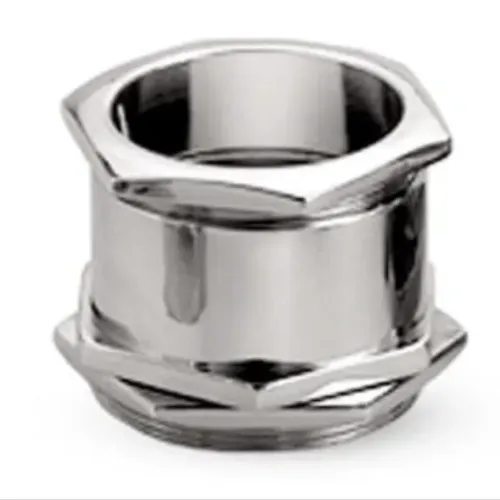
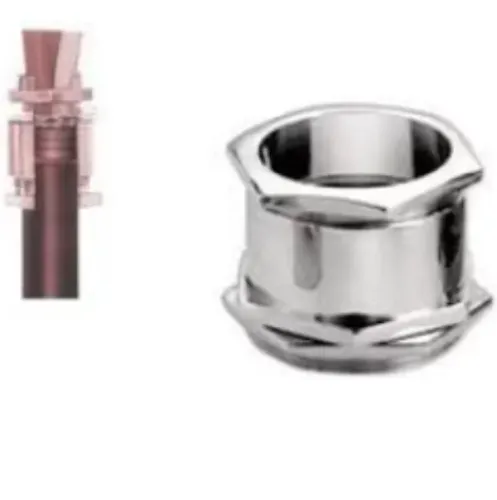
A lock nut is a threaded fastening accessory used to hold a cable gland securely in place after it has been installed through an electrical enclosure or panel. It is tightened from the inside of the enclosure, preventing the gland from loosening due to vibration, cable movement, or mechanical stress.
Although it is a simple component, a lock nut contributes significantly to the strength and reliability of the cable gland assembly.
Why Are Lock Nuts Important?
Without a properly fitted lock nut, a cable gland may shift over time, affecting cable support and enclosure protection. This can eventually lead to loose cable entries, damaged seals, or unnecessary strain on electrical cables.
Using quality lock nuts provides several advantages
- Secures cable glands firmly in position
- Reduces movement caused by vibration
- Supports reliable cable retention
- Helps maintain enclosure protection
- Improves mechanical stability
- Extends the lifespan of cable installations
- Supports safer electrical systems
These benefits become especially important in industrial environments where machinery operates continuously.
Where Are Lock Nuts Commonly Used?
Lock nuts are used wherever cable glands are installed on electrical equipment and enclosures.
Typical applications include
- Electrical control panels
- Distribution boards
- Junction boxes
- Industrial machinery
- Switchgear assemblies
- Automation systems
- Power distribution equipment
- Manufacturing plants
- Commercial electrical installations
They are suitable for both indoor and outdoor installations when selected according to the project requirements.
How to Choose the Right Lock Nut
Selecting the correct lock nut is essential for achieving a secure installation. Several factors should be considered before purchasing.
Match the Thread Size
The lock nut must match the thread size of the cable gland. A mismatch can result in poor fastening and installation difficulties.
Select the Right Material
Lock nuts are available in brass, stainless steel, and other materials. The operating environment should determine the most suitable choice.
Consider Environmental Conditions
Installations exposed to moisture, chemicals, or coastal conditions may require corrosion-resistant materials to ensure long service life.
Ensure Compatibility
The lock nut should be compatible with the enclosure thickness and the cable gland being used.
Check Project Specifications
Many industrial projects specify particular materials or standards for electrical accessories. Always verify these requirements before procurement.
Common Installation Mistakes
Even a high-quality lock nut may not perform effectively if it is installed incorrectly.
Some common mistakes include
- Using the wrong thread size
- Insufficient tightening
- Over-tightening that damages threads
- Mixing incompatible materials
- Reusing damaged lock nuts
- Ignoring inspection after installation
Careful installation helps maintain a stable and secure cable gland assembly.
Why Material Quality Matters
The quality of a lock nut directly affects the performance of the cable gland connection. Inferior materials may corrode, deform, or lose their grip over time, especially in demanding industrial environments.
High-quality lock nuts offer
- Better corrosion resistance
- Greater mechanical strength
- Reliable fastening performance
- Longer service life
- Reduced maintenance requirements
Selecting quality accessories helps protect both electrical equipment and the investment made in the overall installation.
Best Practices for Long-Term Performance
To ensure reliable performance throughout the life of an electrical installation, it is recommended to
- Choose lock nuts from trusted manufacturers.
- Use the correct size for every cable gland.
- Inspect threaded connections before installation.
- Follow recommended tightening procedures.
- Replace damaged or worn accessories during maintenance.
- Periodically inspect cable entries in high-vibration environments.
These simple practices help maintain secure cable connections and reduce the likelihood of unexpected equipment issues.
Choosing a Reliable Supplier
Electrical accessories play a critical role in the safety and durability of industrial installations. Working with an experienced supplier helps ensure product consistency, technical support, and availability across different project requirements.
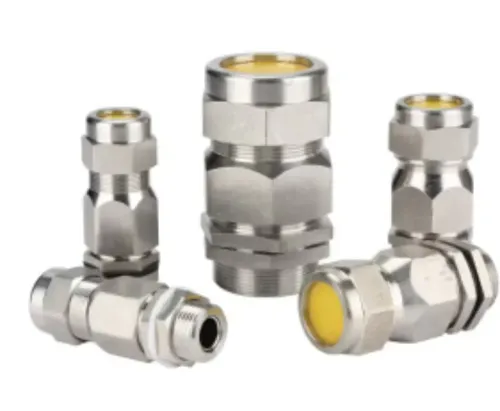
Many electrical contractors, OEM manufacturers, EPC companies, and industrial buyers in Mumbai source lock nuts and related cable accessories from established suppliers. JAY ENTERPRISES offers lock nuts along with cable glands, stopping plugs, PVC shrouds, and other electrical accessories used in commercial and industrial applications. The company also provides detailed product information through its website, enabling customers to select suitable products based on their technical requirements.
Although lock nuts are small components, they perform an essential function in securing cable glands and maintaining the integrity of electrical enclosures. Choosing the correct material, size, and quality helps improve installation reliability, protect electrical equipment, and support the long-term performance of industrial electrical systems.