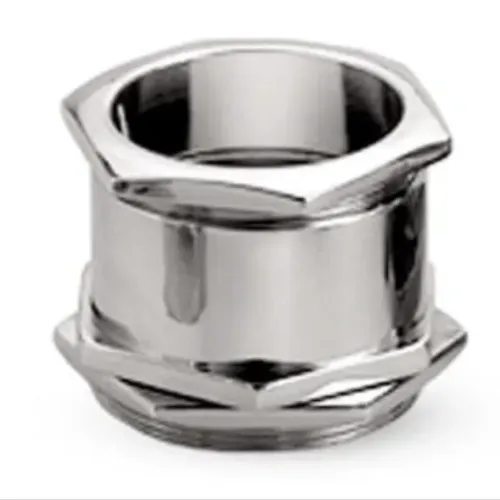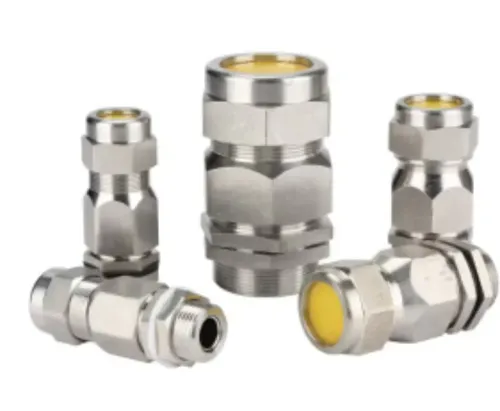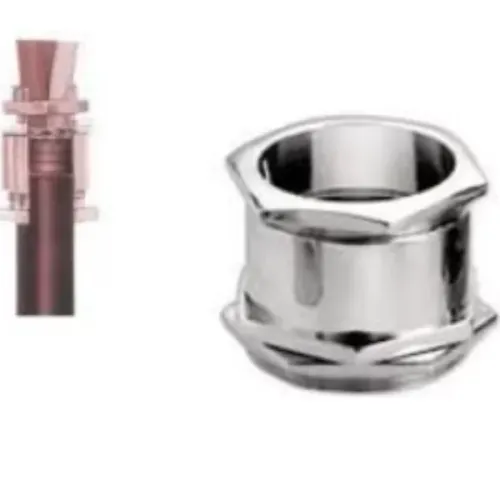

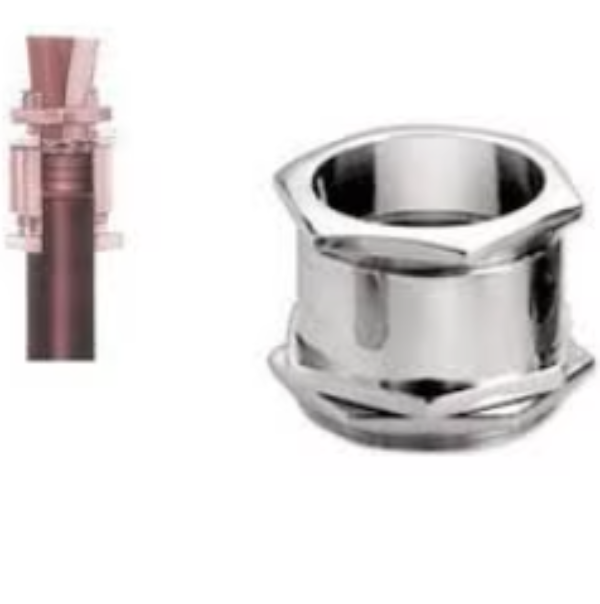
Electrical panels depend on well-planned cable entries. Cables entering a control panel, distribution enclosure, machine control box need secure positioning plus suitable protection at the entry point. Single compression cable glands provide a practical solution across many industrial electrical applications when their construction matches the cable plus operating environment.
For panel manufacturers, electrical contractors, OEMs across Mumbai, understanding selection criteria can prevent avoidable fitting issues during production.
What Makes a Single Compression Gland Different?
A single compression cable gland applies compression at a defined section within its assembly.
Its relatively straightforward construction makes it suitable for numerous electrical applications. Suitability still depends upon cable type, dimensions, enclosure design, environmental conditions.
A gland should therefore be selected through technical specifications rather than simply matching the approximate cable size.
Start With Cable Dimensions
Cable dimensions are among the most important selection inputs.
Before procurement, confirm
- Overall cable diameter
- Relevant internal dimensions
- Armour details where applicable
- Cable construction
- Required gland size
- Entry thread specification
Nominal cable descriptions may not provide enough information for accurate selection.
Actual dimensional data helps manufacturers identify a suitable gland more reliably.
Check Panel Entry Threads
Metric threads are widely used within modern electrical equipment. Other thread systems can also appear depending upon equipment design plus project specifications.
A gland with an incorrect thread may not fit properly even when the cable dimensions appear suitable.
Panel manufacturers should therefore coordinate gland specifications with enclosure entry details during design rather than treating cable glands as last-minute accessories.
Consider the Operating Environment
Indoor control panels in clean environments have different exposure conditions from outdoor panels near dust, rain, process contaminants.
Ask practical questions
Is the panel indoors?
Will moisture be present?
Could the cable entry face frequent washdown?
Is the machinery exposed to vibration?
Does the enclosure require a specified ingress-protection level?
Could corrosive conditions affect metallic components?
These questions influence gland material plus construction choices.
When IP68 Metric Threaded Glands Become Relevant
Applications requiring enhanced protection from dust plus water may call for IP68 metric threaded single compression cable glands, provided the complete installation meets the relevant conditions.
The rating should never be viewed in isolation.
Correct cable diameter, seal compression, thread engagement, enclosure compatibility, installation quality influence the finished cable entry.
Supporting Accessories Matter
Cable gland accessories can simplify panel assembly while supporting specific installation functions.
Common examples include
- Lock nuts
- Checknuts
- Earth tags
- PVC shrouds
- Stopping plugs
If an enclosure entry does not provide a threaded connection suitable for direct gland installation, a compatible lock nut may be required.
Unused openings can require appropriate stopping plugs to maintain the intended enclosure arrangement.
Standardization Helps Panel Manufacturers
Panel builders frequently use recurring cable sizes across multiple product families.
Standardizing approved gland sizes plus accessories can improve
- Procurement planning
- Assembly consistency
- Stock management
- Technician familiarity
- Replacement availability
This approach becomes especially useful for OEMs producing panels in batches.
Industrial Sourcing in Mumbai
Mumbai remains a major procurement centre for electrical plus engineering components serving customers throughout Maharashtra.
JAY ENTERPRISES supplies single compression cable glands plus associated cable accessories for industrial requirements. Panel manufacturers can benefit from sharing cable dimensions, entry specifications, expected quantities, application details before finalizing a purchase.
Such information helps narrow down the relevant gland configuration without relying on guesswork.
A Small Component With an Important Function
Single compression glands may represent a small portion of panel cost, yet incorrect selection can interrupt assembly, delay wiring, create cable-entry problems.
Panel builders can reduce these risks by checking cable dimensions, thread specifications, environmental exposure, accessory requirements early in the procurement cycle.
Accurate component selection supports cleaner panel construction, smoother installation, more dependable cable management throughout the equipment lifecycle.