
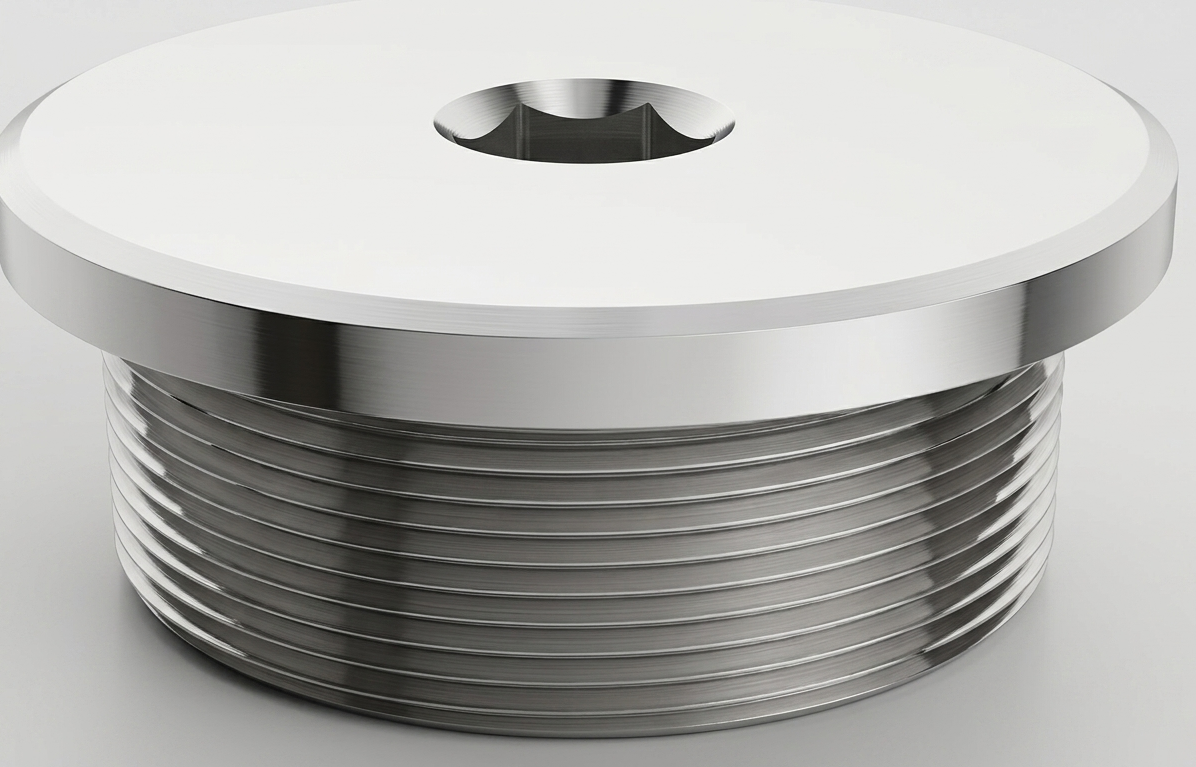
Unused cable entry holes may seem insignificant during an electrical installation, but leaving them open can compromise the safety and performance of an entire system. Dust, moisture, insects, and other contaminants can easily enter electrical enclosures through these openings, increasing the risk of equipment damage and unexpected downtime. Stopping plugs are designed to seal these unused entries and help maintain the integrity of electrical panels, junction boxes, and enclosures.
For industries across Mumbai and Maharashtra, stopping plugs are an essential part of electrical installations in manufacturing plants, commercial buildings, infrastructure projects, and process industries. Understanding their purpose and selection criteria can help contractors and procurement teams build safer and more reliable electrical systems.
What Are Stopping Plugs?
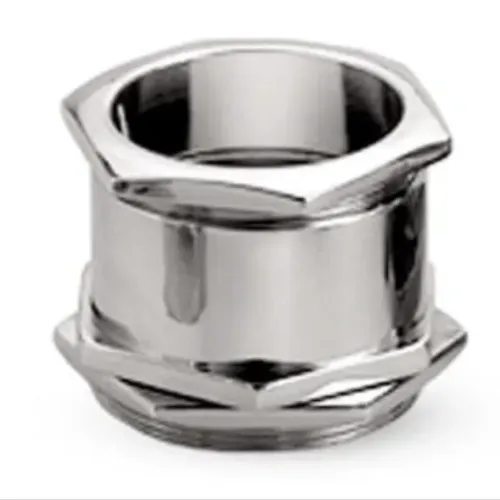
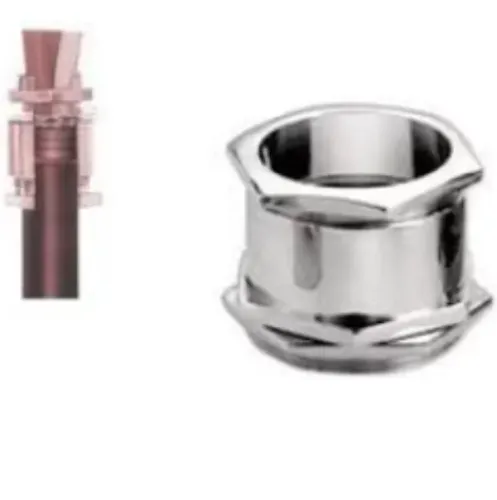
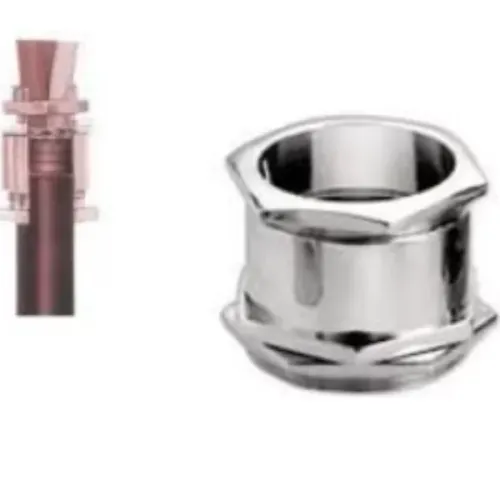
Stopping plugs are threaded accessories used to close unused cable entry holes in electrical enclosures. Once installed, they create a secure seal that prevents external contaminants from entering the enclosure while helping maintain its protection rating.
Although they are small components, stopping plugs contribute significantly to the overall safety and durability of electrical installations.
Why Are Stopping Plugs Important?
Every opening in an electrical enclosure is a potential entry point for dust, water, oil, or foreign particles. If these openings remain uncovered, sensitive electrical equipment may become exposed to environmental conditions that affect performance.
Installing stopping plugs offers several important benefits
- Prevents dust from entering electrical panels
- Reduces the risk of moisture ingress
- Helps maintain enclosure IP ratings
- Protects internal electrical components
- Improves equipment reliability
- Enhances workplace safety
- Gives electrical panels a neat and professional finish
Proper sealing also reduces the need for frequent maintenance caused by contamination.
Where Are Stopping Plugs Commonly Used?
Stopping plugs are suitable for a wide variety of electrical applications where spare cable entry holes need to be sealed.
Common applications include
- Electrical control panels
- Distribution boards
- Junction boxes
- Switchgear panels
- Industrial machinery
- Instrumentation enclosures
- Power distribution systems
- Automation panels
- Commercial electrical installations
These accessories are used in both indoor and outdoor environments depending on the enclosure specifications.
Factors to Consider When Choosing Stopping Plugs
Selecting the correct stopping plug ensures effective sealing and long-term performance. Before purchasing, consider the following factors
Thread Size
The plug should match the threaded opening in the enclosure. An incorrect size may result in poor sealing or installation difficulties.
Material
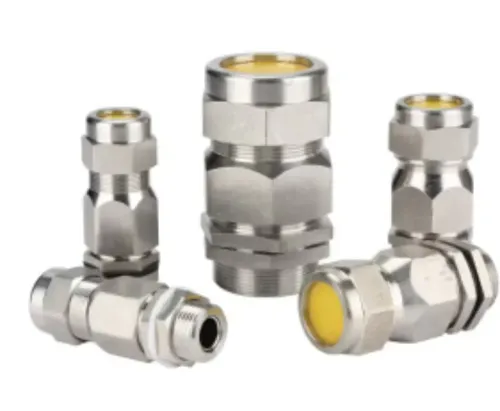
Stopping plugs are available in different materials, including brass, stainless steel, and plastic. The operating environment should determine the most suitable option.
Environmental Conditions
Outdoor installations or areas exposed to chemicals, humidity, or extreme temperatures may require corrosion-resistant materials.
IP Rating
Choose stopping plugs that help maintain the enclosure's required ingress protection rating, especially for industrial applications.
Compatibility
Ensure the stopping plug is compatible with the enclosure design and other cable accessories being used in the installation.
Common Mistakes to Avoid
Even though stopping plugs are simple components, incorrect selection or installation can reduce their effectiveness.
Some common mistakes include
- Using the wrong thread size
- Leaving unused cable entries open
- Choosing materials unsuitable for the environment
- Installing damaged or worn plugs
- Ignoring enclosure protection requirements
- Failing to tighten the plug properly
Paying attention to these details helps improve the reliability of electrical systems.
How Stopping Plugs Improve Equipment Life
Electrical equipment often represents a significant investment, and protecting it from environmental damage is essential. By sealing unused openings, stopping plugs reduce the chances of contaminants reaching sensitive components such as relays, terminals, circuit breakers, and control devices.
This protection helps
- Minimize equipment failures
- Reduce maintenance frequency
- Improve operational reliability
- Extend the lifespan of electrical enclosures
- Lower long-term maintenance costs
For industries operating around the clock, these benefits can make a noticeable difference in system performance.
Choosing Quality Electrical Accessories
While stopping plugs are relatively inexpensive, using poor-quality products can lead to inadequate sealing and premature failure. Reliable electrical accessories help maintain the safety and efficiency of an installation throughout its service life.
Many electrical contractors, panel builders, OEM manufacturers, and industrial buyers in Mumbai prefer sourcing cable accessories from experienced suppliers that offer consistent quality and technical support. JAY ENTERPRISES supplies stopping plugs along with a wide range of electrical cable glands and cable accessories for industrial and commercial applications. The company's website also provides product information that helps customers select suitable accessories based on their project requirements.
Stopping plugs may be small components, but they perform an important function in protecting electrical enclosures from external contaminants. Choosing the correct size, material, and specification ensures better equipment protection, improved reliability, and longer service life for electrical installations across a wide range of industries.