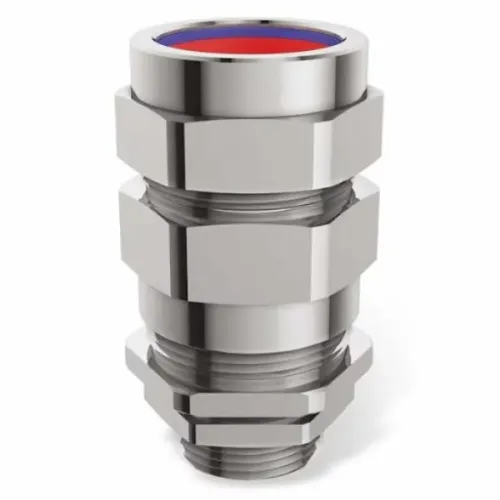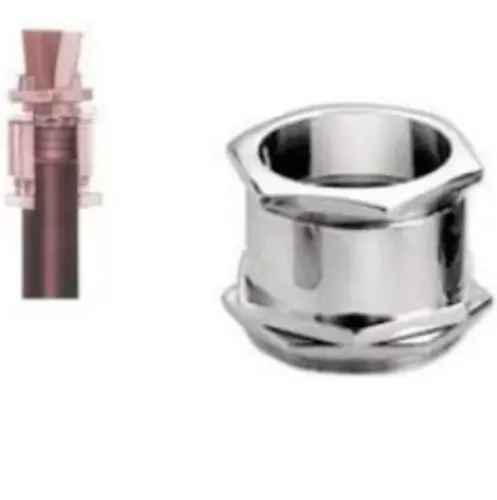


Electrical systems depend on more than just quality cables and equipment. Every cable entry point needs proper protection to ensure the system remains safe, reliable, and efficient. This is where cable glands play a vital role. Whether used in industrial plants, commercial buildings, manufacturing units, or infrastructure projects, cable glands help secure electrical cables while protecting them from environmental and mechanical damage.
In a city like Mumbai, where industries operate in diverse environments ranging from coastal conditions to heavy manufacturing facilities, selecting the right cable gland becomes an important part of any electrical installation. Engineers, contractors, and panel builders often focus on cables and switchgear, but overlooking cable accessories can lead to avoidable failures and increased maintenance.
What Are Cable Glands?
Cable glands are mechanical devices designed to securely attach and seal electrical cables where they enter electrical panels, enclosures, junction boxes, or equipment.
A properly installed cable gland performs several important functions
- Secures the cable firmly in place
- Prevents dust and moisture from entering the enclosure
- Provides strain relief to reduce cable movement
- Protects cables against vibration
- Maintains the enclosure's IP rating
- Enhances overall electrical safety
Without suitable cable glands, cables may become loose, damaged, or exposed to contaminants that affect equipment performance.
Why Cable Glands Matter in Industrial Applications
Industrial environments expose electrical systems to challenging conditions such as vibration, humidity, chemicals, heat, and dust. These factors can gradually damage cable entry points if they are not adequately protected.
Quality cable glands help reduce these risks by creating a secure seal between the cable and the equipment enclosure. This protection contributes to longer equipment life, fewer maintenance interruptions, and improved operational reliability.
Industries that commonly rely on cable glands include
- Manufacturing plants
- Oil and gas facilities
- Power generation units
- Water treatment plants
- Infrastructure projects
- Commercial buildings
- Marine installations
- Process industries
Each environment requires cable glands that match its operating conditions and cable specifications.
Key Benefits of Using Cable Glands
Enhanced Cable Protection
Mechanical stress caused by pulling, bending, or vibration can damage electrical cables over time. Cable glands minimize movement and reduce stress on cable connections, helping maintain system integrity.
Better Environmental Sealing
Dust, water, oils, and chemicals can enter electrical enclosures through poorly sealed cable entries. Proper cable glands create an effective barrier that protects sensitive electrical components.
Improved Electrical Safety
Loose cable entries increase the risk of insulation damage and electrical faults. Cable glands help maintain secure cable positioning, reducing the possibility of accidental failures.
Longer Equipment Life
Preventing moisture and contaminants from entering electrical panels helps protect internal components, extending the lifespan of expensive equipment.
Easier Maintenance
Organized cable entries simplify inspections, repairs, and future system upgrades while reducing the likelihood of cable-related issues.
Choosing the Right Cable Gland
Selecting the appropriate cable gland depends on several factors rather than simply matching the cable diameter.
Consider the following before making a selection
- Cable type
- Cable diameter
- Indoor or outdoor installation
- Environmental conditions
- Required IP rating
- Material compatibility
- Mechanical strength requirements
- Industry standards and project specifications
A gland that performs well in a commercial office may not be suitable for a chemical processing plant or marine installation.
Common Materials Used for Cable Glands
Cable glands are manufactured using different materials to suit various applications.
Brass Cable Glands are widely used because they offer durability, corrosion resistance, and excellent mechanical strength.
Stainless Steel Cable Glands are preferred for highly corrosive environments such as food processing, pharmaceutical, marine, and chemical industries.
Plastic Cable Glands are commonly selected for lighter-duty applications where corrosion resistance and cost-effectiveness are priorities.
The material should always be chosen based on the operating environment and project requirements.
Common Mistakes During Cable Gland Installation
Even premium-quality cable glands may fail if installed incorrectly.
Some common installation mistakes include
- Selecting the wrong gland size
- Over-tightening or under-tightening components
- Ignoring environmental exposure
- Using incompatible gland materials
- Improper cable preparation
- Skipping inspection after installation
Proper installation practices help maximize both safety and equipment performance.
Why Quality Matters
Low-quality cable accessories may initially reduce procurement costs, but they often lead to higher maintenance expenses, unexpected downtime, and premature equipment failures.
Reliable suppliers provide cable glands manufactured to recognized quality standards, ensuring consistent performance across industrial applications. Procurement teams and electrical contractors frequently evaluate not only product quality but also availability, technical support, and compatibility with project specifications.
For many industrial projects across Mumbai and Maharashtra, companies such as JAY ENTERPRISES supply cable glands and related electrical cable accessories that meet the requirements of panel builders, OEM manufacturers, EPC contractors, and electrical distributors. Product information and technical specifications are also available through the company's website, making it easier for buyers to compare suitable options before procurement.
Choosing the right cable gland is a small decision that has a significant impact on the safety, durability, and reliability of an electrical installation. By understanding the purpose, benefits, and selection criteria of cable glands, businesses can build electrical systems that perform consistently even in demanding industrial environments.