
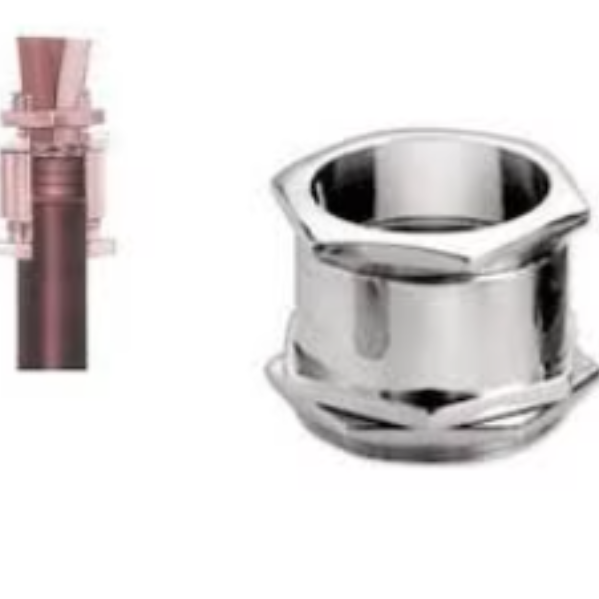
Every electrical installation requires secure cable termination to maintain safety, protect equipment, and ensure reliable performance. While there are different types of cable glands available, single compression cable glands remain one of the most commonly used solutions for indoor and general industrial applications. Their simple yet effective design makes them suitable for a wide range of electrical projects where environmental conditions are moderate and dependable cable support is required.
Across Mumbai and Maharashtra, electrical contractors, panel builders, OEM manufacturers, and maintenance teams regularly use single compression cable glands in commercial buildings, industrial facilities, and control panel installations. Understanding where they work best and how to choose the right one can help improve installation quality and reduce future maintenance.
What Is a Single Compression Cable Gland?
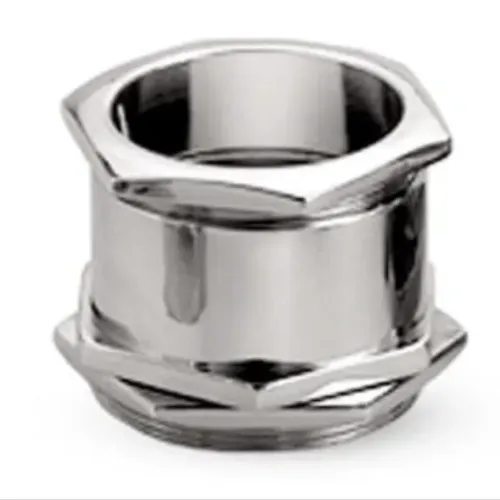
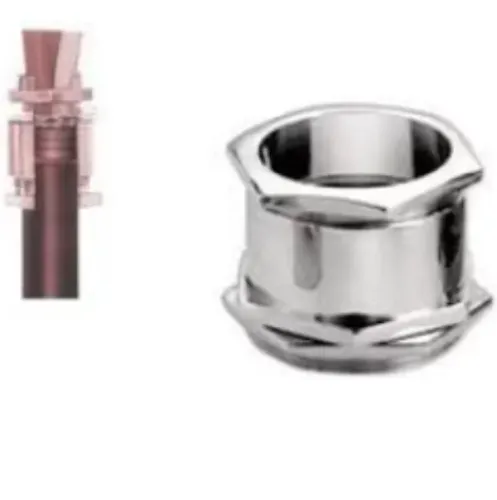
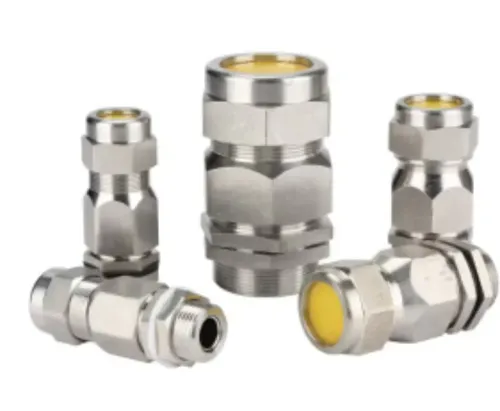
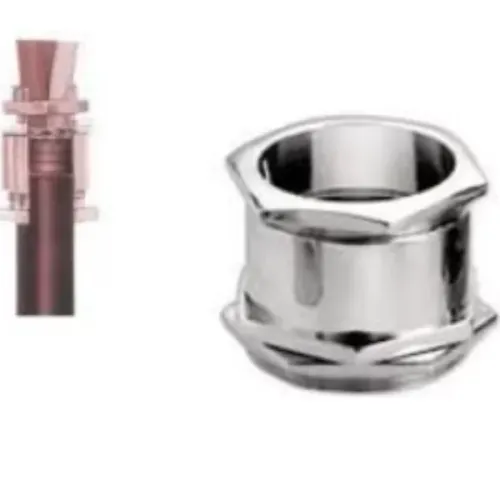
A single compression cable gland is designed to secure and seal a cable at one compression point. The gland grips the outer sheath of the cable, providing mechanical support while helping prevent dust and moisture from entering electrical enclosures.
Unlike double compression cable glands, which offer two sealing points, single compression cable glands are generally used where the installation does not require additional sealing around the cable armour or bedding.
They are suitable for many everyday electrical applications where reliable cable retention is essential.
Where Are Single Compression Cable Glands Commonly Used?
These cable glands are widely used across various industries because they provide dependable cable protection while remaining easy to install.
Typical applications include
- Electrical control panels
- Distribution boards
- Commercial buildings
- Manufacturing units
- Office complexes
- HVAC systems
- Lighting installations
- Machine control equipment
- Indoor electrical rooms
For installations that are protected from extreme environmental conditions, single compression cable glands often provide an effective and practical solution.
Benefits of Using Single Compression Cable Glands
Choosing the right cable accessory contributes to the overall reliability of an electrical system. Single compression cable glands offer several advantages that make them a popular choice.
Simple Installation
Their straightforward design allows electricians to install them quickly, reducing installation time without compromising cable security.
Reliable Cable Support
The compression mechanism securely holds the cable in position, helping prevent unnecessary movement that may damage electrical connections over time.
Protection Against Dust and Moisture
When installed correctly, the gland forms an effective seal that helps keep dust and moisture away from sensitive electrical equipment.
Cost-Effective Solution
For standard industrial and commercial installations, single compression cable glands provide dependable performance without requiring more complex cable termination systems.
Reduced Maintenance
Proper cable support minimizes strain on electrical connections, helping reduce maintenance requirements throughout the life of the installation.
Factors to Consider Before Selecting a Single Compression Cable Gland
Selecting the correct cable gland requires careful evaluation of both the cable and the installation environment.
Some important factors include
- Cable diameter
- Cable type
- Thread size
- Enclosure specifications
- Indoor or outdoor installation
- Environmental exposure
- Required IP rating
- Material compatibility
Taking these factors into account helps ensure the cable gland performs effectively throughout its service life.
Choosing the Right Material
Single compression cable glands are manufactured using different materials to suit varying industrial environments.
Brass cable glands are among the most widely used because they combine strength, corrosion resistance, and long service life.
Stainless steel cable glands are suitable for installations exposed to corrosive chemicals, coastal environments, or demanding industrial conditions.
Plastic cable glands are often selected for lighter-duty commercial applications where corrosion resistance and ease of installation are priorities.
The operating environment should always guide the material selection.
Common Installation Mistakes
Even a well-designed cable gland cannot perform properly if it is installed incorrectly.
Some common mistakes include
- Choosing the wrong gland size
- Over-tightening the compression components
- Damaging the cable sheath during installation
- Using incompatible thread sizes
- Ignoring environmental requirements
- Failing to inspect the completed installation
Proper installation helps maintain enclosure protection and improves the overall reliability of the electrical system.
Why Product Quality Should Never Be Overlooked
Cable glands may appear to be small components, but they play an important role in protecting valuable electrical equipment. Poor-quality products can lead to loose cable entries, moisture ingress, equipment failures, and increased maintenance costs.
Industrial buyers often prefer suppliers that provide consistent product quality, reliable stock availability, and technical guidance for selecting suitable cable accessories. In Mumbai, JAY ENTERPRISES supplies single compression cable glands along with a wide range of electrical cable accessories used across industrial, commercial, and infrastructure projects. The company also provides product information through its website, helping customers identify suitable solutions for different applications.
Single compression cable glands continue to be a practical choice for many electrical installations because they combine reliability, ease of installation, and effective cable protection. Selecting the appropriate size, material, and specification ensures that electrical systems remain secure, organized, and capable of delivering dependable performance for years to come.