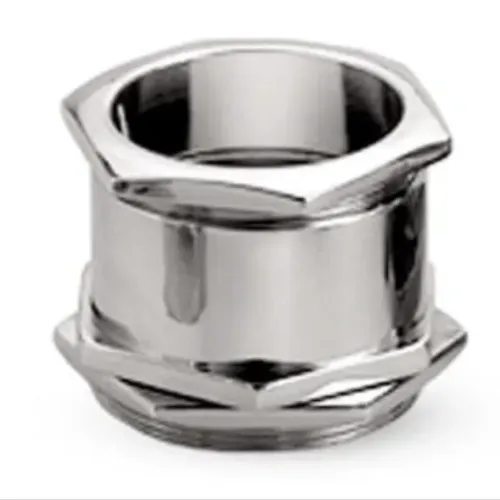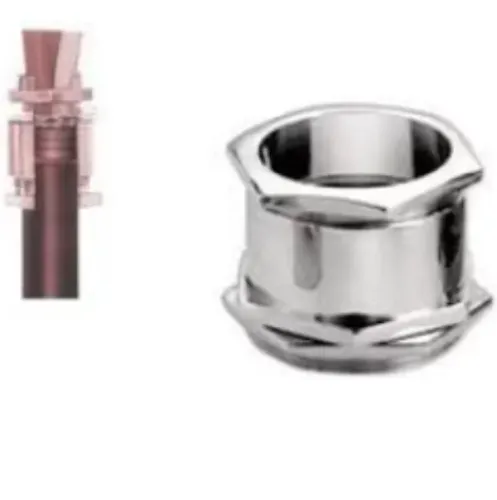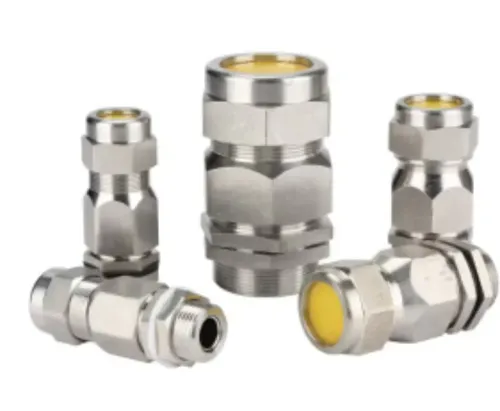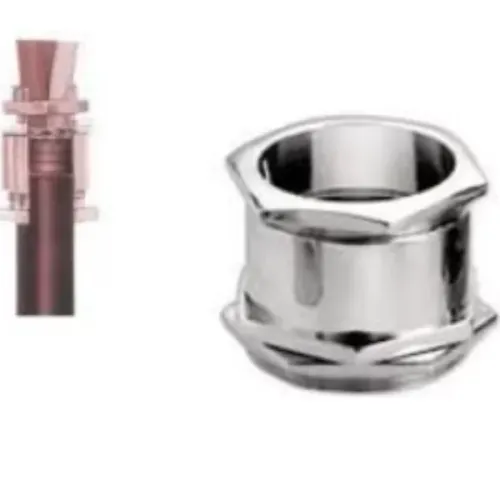

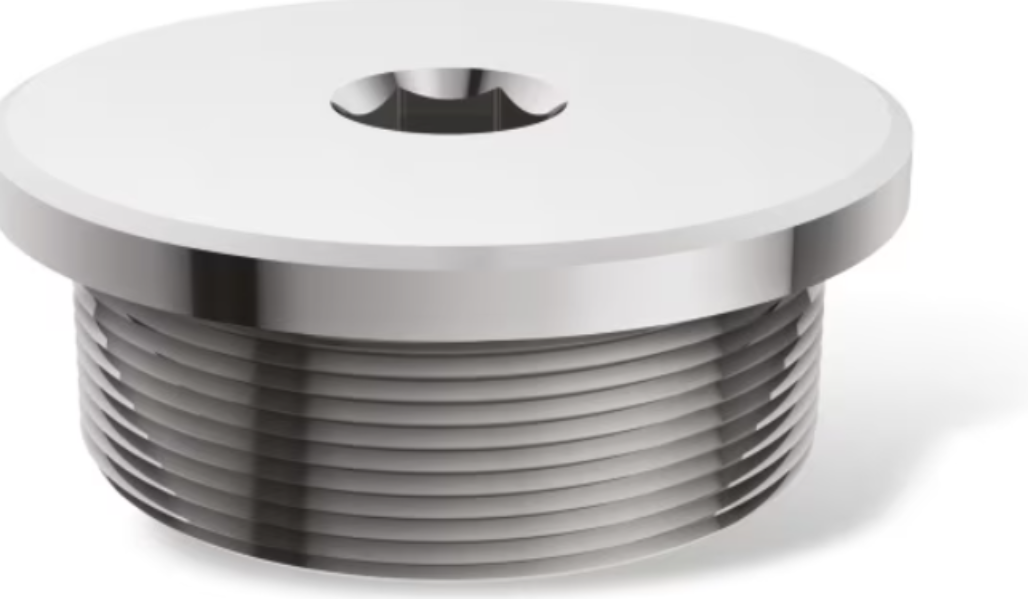
Stopping plugs are often considered minor electrical accessories, but they play a significant role in protecting electrical enclosures and maintaining system reliability. Every unused cable entry in an electrical panel or junction box should be properly sealed to prevent dust, moisture, insects, and other contaminants from entering the enclosure. Choosing the right stopping plugs helps preserve the integrity of electrical equipment and reduces the risk of unexpected failures.
Industries across Mumbai and Maharashtra use stopping plugs in manufacturing facilities, commercial buildings, power distribution systems, automation panels, and infrastructure projects. Understanding the features to look for before purchasing can help electrical contractors, procurement managers, and panel builders make better buying decisions.
Why Stopping Plugs Are Important
Unused cable entry holes can compromise the protection offered by an electrical enclosure. Even a small opening may allow contaminants to reach sensitive electrical components, affecting their performance and increasing maintenance requirements.
Installing quality stopping plugs helps
- Seal unused cable entry points
- Protect equipment from dust and moisture
- Maintain enclosure protection
- Improve electrical safety
- Support longer equipment life
- Keep electrical panels clean and organized
Although simple in design, stopping plugs contribute significantly to the reliability of electrical installations.
Select the Correct Thread Size
The first factor to consider is the thread size. A stopping plug must match the threaded opening in the electrical enclosure to create a secure and effective seal.
Before purchasing, verify
- Thread size
- Thread type
- Enclosure specifications
- Installation compatibility
Using the correct size helps ensure proper installation and dependable performance.
Choose the Right Material
Stopping plugs are available in different materials to suit various operating environments.
Common options include
- Brass for industrial applications
- Stainless steel for corrosive environments
- Engineering plastic for general commercial use
The material should always be selected according to the environmental conditions and project requirements.
Consider the Installation Environment
Environmental conditions have a direct impact on product performance.
Before selecting stopping plugs, evaluate whether the installation is exposed to
- Dust
- Rain
- Moisture
- Chemicals
- High temperatures
- Outdoor weather
- Industrial vibration
Choosing products suitable for the working environment helps improve durability and reduce maintenance.
Check the Protection Requirements
Electrical enclosures are designed to provide protection against external contaminants. Stopping plugs should support the required protection level of the enclosure.
A properly fitted stopping plug helps maintain enclosure integrity by preventing unwanted entry through unused cable openings.
Evaluate Product Quality
High-quality stopping plugs provide better dimensional accuracy and reliable sealing performance.
Quality products generally offer
- Accurate threading
- Strong construction
- Consistent fit
- Durable materials
- Reliable long-term performance
Investing in quality accessories reduces the likelihood of premature replacement.
Ensure Compatibility with Other Accessories
Stopping plugs should be compatible with the cable accessories used throughout the installation.
These may include
- Cable glands
- Lock nuts
- PVC shrouds
- Electrical enclosures
- Cable management components
Using compatible products helps simplify installation and maintain consistent performance.
Avoid Common Buying Mistakes
Purchasing the wrong stopping plugs can affect the effectiveness of the entire electrical enclosure.
Common mistakes include
- Selecting the wrong thread size
- Choosing unsuitable materials
- Buying products based only on price
- Ignoring environmental conditions
- Using incompatible accessories
- Installing damaged plugs
Reviewing project specifications before procurement helps avoid these issues.
Buy from an Experienced Supplier
Working with an experienced supplier helps ensure product quality, technical support, and consistent availability.
A reliable supplier should provide
- A complete range of electrical accessories
- Detailed product specifications
- Consistent stock availability
- Technical guidance when required
- Products suitable for industrial applications
These factors make procurement more efficient and support successful project execution.
Choosing the Right Supplier
Industrial projects require dependable electrical accessories that perform consistently throughout their service life. Many electrical contractors, OEM manufacturers, panel builders, infrastructure companies, and procurement teams in Mumbai choose suppliers with experience in cable management products.
JAY ENTERPRISES supplies stopping plugs along with cable glands, double compression cable glands, single compression cable glands, SS cable glands, lock nuts, PVC shrouds, and other electrical cable accessories for industrial and commercial applications. The company provides detailed product information through its website, helping customers select suitable products for different installation requirements.
Buying the right stopping plugs involves more than selecting a component that fits the enclosure. By considering thread size, material, environmental conditions, compatibility, and product quality, businesses can improve electrical safety, protect valuable equipment, and support the long-term reliability of their electrical installations.